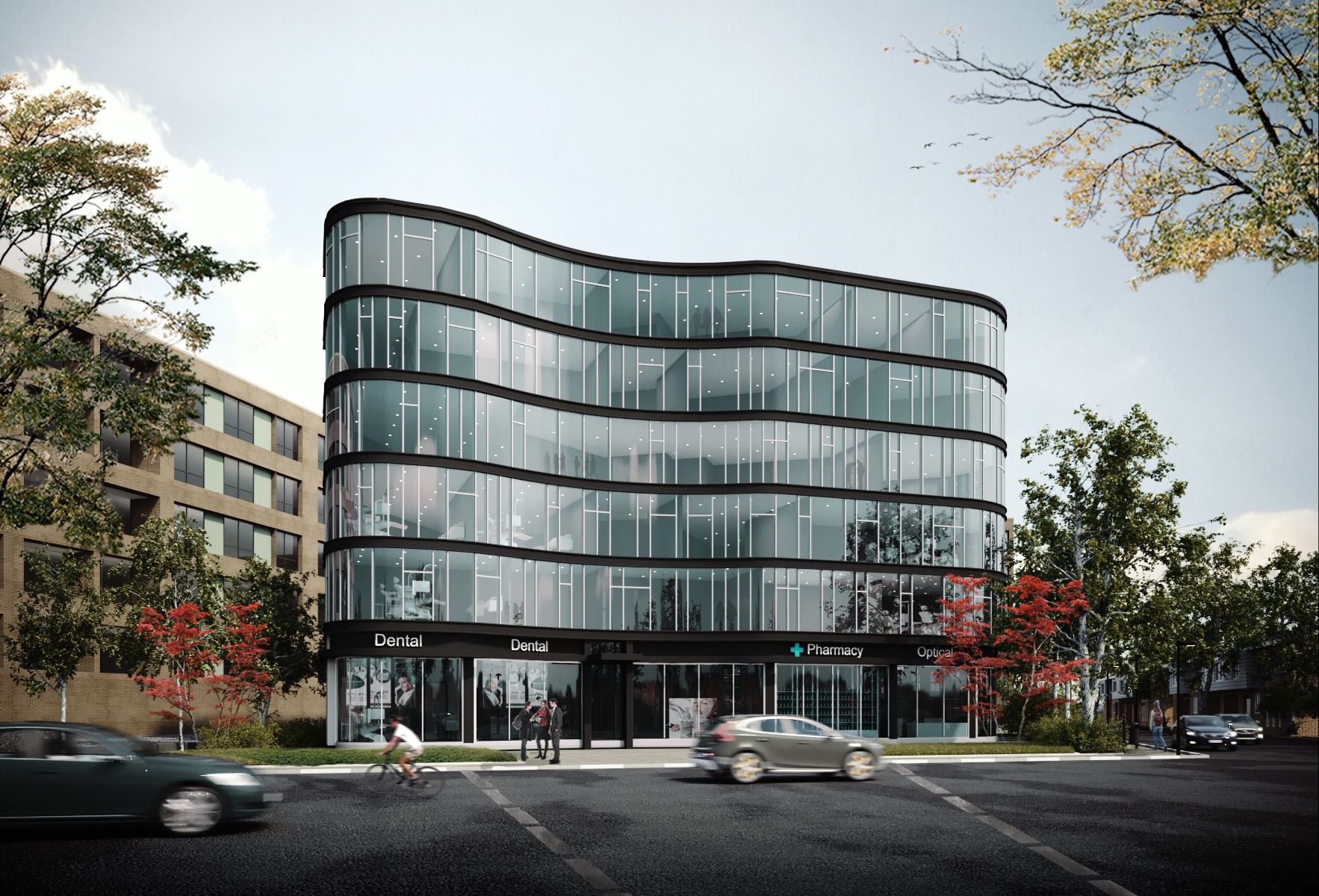
Medical office design service in Toronto, Ontario

Commercial Site Plan Approval in Ontario

Full Design, Approval, and Construction Delivery

If you are developing a commercial building in Ontario, your project timeline is determined long before construction begins.

Site Plan Approval is a required step for most commercial projects in Toronto and the GTA. When it is handled poorly, review cycles multiply, consultants revise drawings, and schedules slip.

Quadrant Architects manages the entire process –  from zoning and feasibility review through Site Plan Approval, Building Permit, and construction documentation.

We lead the design, coordinate all required consultants, and guide municipal review so your project advances with clear documentation and aligned approvals.

We do not prepare isolated drawings. We manage commercial projects from concept through construction as one coordinated process.

Quadrant Architects has successfully guided commercial clients through Site Plan Approval and Building Permit processes across the GTA.

What Is Site Plan Approval?

Site Plan Approval is a municipal review process under Section 41 of the Ontario Planning Act. It confirms that a commercial project meets local zoning, safety, access, and servicing standards before construction begins.

It typically applies to:

  • New commercial buildings
  • Industrial developments
  • Office and medical facilities
  • Major additions
  • Site redevelopments

Most municipalities in Ontario, including Toronto, Markham, Vaughan, and Mississauga, require Site Plan Approval before issuing a Building Permit.

What Municipalities Review

Municipal review typically includes:

  • Building location and setbacks
  • Parking counts and loading areas
  • Barrier-free access
  • Fire routes and emergency access
  • Grading, drainage, and stormwater management
  • Landscaping and buffering
  • Pedestrian and vehicle circulation
  • Exterior materials and façade treatment
  • Servicing coordination

If architectural, civil, and landscape drawings do not align, the file is returned with comments and review cycles increase.

What a Commercial Architectural Site Plan Shows

A commercial architectural site plan clearly illustrates how the building and site function together. It is the core document used for municipal review, permitting, and construction positioning.

A complete commercial site plan typically includes:

  • Property boundaries and legal lot dimensions
  • Building footprints of existing and proposed structures
  • Required zoning setbacks and registered easements
  • Driveways, parking layout, loading areas, and emergency vehicle access routes
  • Barrier-free paths of travel
  • Utility connections for water, sanitary, storm, gas, electrical, and site lighting
  • Grading strategy, drainage flow, and stormwater management
  • Topography adjustments including cut and fill where required
  • Existing and proposed landscaping, tree protection, and retaining walls

This document becomes:

  • The basis for Site Plan Approval
  • A reference for Building Permit review
  • A construction roadmap for contractors to position foundations and services correctly

Clear, coordinated documentation at this stage supports permitting, compliance, and accurate construction.

How We Manage the Process

Commercial approvals are technical. They require coordination.

Our process includes:

  1. Zoning & Feasibility Review
    We confirm permitted uses, height limits, setbacks, and parking requirements before design advances.
  2. Concept & Schematic Design
    We develop compliant commercial design options aligned with municipal regulations.
  3. Pre-Application Consultation
    Where required, we meet with municipal staff early to confirm submission requirements.
  4. Coordinated Site Plan Submission
    We prepare architectural drawings integrated with civil, landscape, traffic, structural, and servicing consultants.
  5. Municipal Comment Management
    We respond to municipal comments in a coordinated way so revisions do not trigger additional conflicts.
  6. Building Permit Documentation
    After Site Plan Approval, we prepare detailed permit drawings aligned with the Ontario Building Code, including Part 3 compliance for commercial buildings.
  7. Construction Phase Support
    We continue coordination during construction to maintain alignment with approved documents.

Because the same team manages design and approvals, decisions made at the Site Plan stage support the Building Permit stage. This reduces redesign and protects your schedule.

Why Commercial Site Plan Approval Gets Delayed

Delays usually happen for one reason: lack of coordination.

Common issues include:

  • Architectural and civil drawings that do not match
  • Parking or loading conflicts with zoning
  • Fire access resolved too late
  • Grading changes that impact landscape and servicing plans
  • Accessibility requirements addressed too late
  • Municipal comments answered without consultant alignment

Each additional review cycle adds time and cost.

Our role is to resolve those conflicts before submission whenever possible.

From Site Plan Approval to Building Permit

Site Plan Approval is one phase of the development process.

After approval, we prepare:

  • Permit-level architectural drawings
  • Ontario Building Code Part 3 compliance documentation
  • Coordinated structural, mechanical, electrical, and civil drawings
  • Municipal Building Permit submission

Clear alignment between Site Plan Approval and permit documentation helps avoid conflicting comments at the next stage.

Commercial Site Plan Approval in the GTA

Quadrant Architects provides commercial Site Plan Approval services across Toronto and the Greater Toronto Area.

Toronto

Site Plan Control is administered by City Planning under Section 41. Review includes Planning, Engineering, Transportation, Fire Services, and Urban Design where applicable.

Markham

Markham’s process emphasizes site organization, servicing alignment, parking compliance, and architectural consistency.

Vaughan

Vaughan requires coordinated review of access, grading, landscaping, servicing, and built form.

Mississauga

Mississauga’s review is technical and servicing-focused, with close evaluation of fire routes, barrier-free access, and grading.

Richmond Hill

Richmond Hill emphasizes zoning compliance, parking standards, and landscape integration.

Oakville

Oakville reviews architectural elevations, streetscape compatibility, grading, and servicing coordination.

Brampton

Brampton requires detailed engineering alignment and site functionality for commercial development.

While processes vary slightly, the most common cause of delay across municipalities is incomplete consultant coordination.

Typical Approval Timeline

Every project is different, but commercial approval stages often include:

  • Zoning & Feasibility: 1-2 weeks
  • Concept & Schematic Design: 2-4 weeks
  • SPA Submission Preparation: 4-6 weeks
  • Municipal Review Cycles: 6-12+ weeks
  • Permit Preparation: 2-3 weeks
  • Permit Review & Issuance: 6-12+ weeks

Early coordination reduces the likelihood of extended review cycles.

Planning Considerations

Some projects require zoning amendments, minor variances, or land severance before Site Plan Approval. When needed, we integrate those planning steps into the overall development strategy to keep approvals aligned with your schedule.

Frequently Asked Questions

Do all commercial projects require Site Plan Approval?
Most new commercial buildings, major additions, and redevelopments require Site Plan Approval. Some smaller projects may not, depending on local zoning and municipality requirements. Always confirm early in planning to avoid unexpected delays.

Can I apply for a Building Permit before Site Plan Approval?
No. In municipalities where Site Plan Approval is required, it must be resolved before a Building Permit can be issued.

What does Site Plan Approval cost?
Costs vary by municipality and project complexity. Typical fees include municipal application fees and consultant costs. Because incomplete submissions often trigger additional reviews, thorough coordination reduces overall cost.

What causes multiple review cycles?
Review cycles are usually extended when architectural, civil, and landscape drawings do not align with each other or with zoning requirements. Conflicts between parking, fire access, grading, or servicing plans also lead to re-circulation.

How can approval timelines be reduced?
By confirming zoning requirements early, aligning all required consultants before submission, completing a pre-application consultation where available, and responding clearly and cohesively to municipal comments.

What happens after Site Plan Approval?
After approval, the project advances into Building Permit documentation. Quadrant prepares coordinated permit-level drawings aligned with municipal conditions and the Ontario Building Code, then supports submission through to permit issuance.

Can Quadrant review an existing submission that was returned by the municipality?
Yes. We review existing submissions, identify gaps or conflicts, and restructure consultant coordination so the project can move forward without repeating the same review issues.

Meet Our Team

Sara Rahgozar

M.Arch Architect, OAA
Principal

Farzad Esnaashari

M.Arch.BCIN
Principal

Sean K. Zadeh

M.Arch.BCIN
Principal

Every member of our team has advanced education in architecture and design

What’s Clients Say